Back to BlogFire Safety

Commercial Fire Alarm System: A Comprehensive Guide

Firesurv Group6 May 202610 min read
Commercial Fire Alarm System: A Comprehensive Guide

Every business premises in the United Kingdom requires robust fire protection measures to safeguard lives and property. A commercial fire alarm system serves as the first line of defence against fire emergencies, providing early detection that enables swift evacuation and emergency response. Understanding the selection, installation, maintenance, and compliance requirements of these critical safety systems is essential for business owners, facilities managers, and those responsible for fire safety compliance under the Regulatory Reform (Fire Safety) Order 2005.

Understanding Commercial Fire Alarm Systems

A commercial fire alarm system differs significantly from residential installations in terms of complexity, coverage, and regulatory requirements. These sophisticated networks integrate multiple detection devices, control panels, notification appliances, and monitoring capabilities across entire commercial premises.

Key Components and Architecture

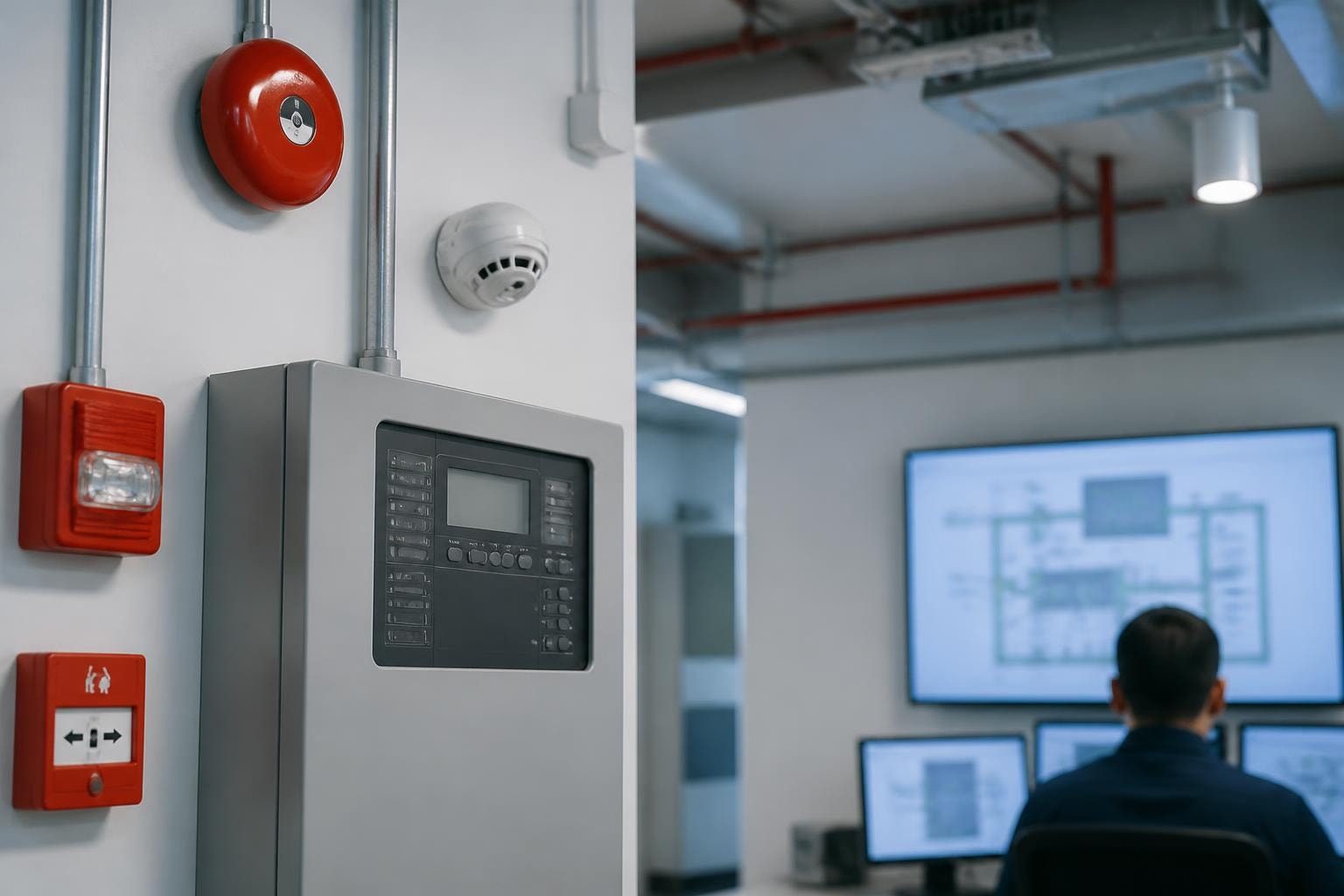
Modern fire alarm installations consist of several interconnected elements that work together to detect, alert, and respond to fire conditions:

  • Detection devices: smoke detectors, heat sensors, and multi-sensor units positioned throughout the premises
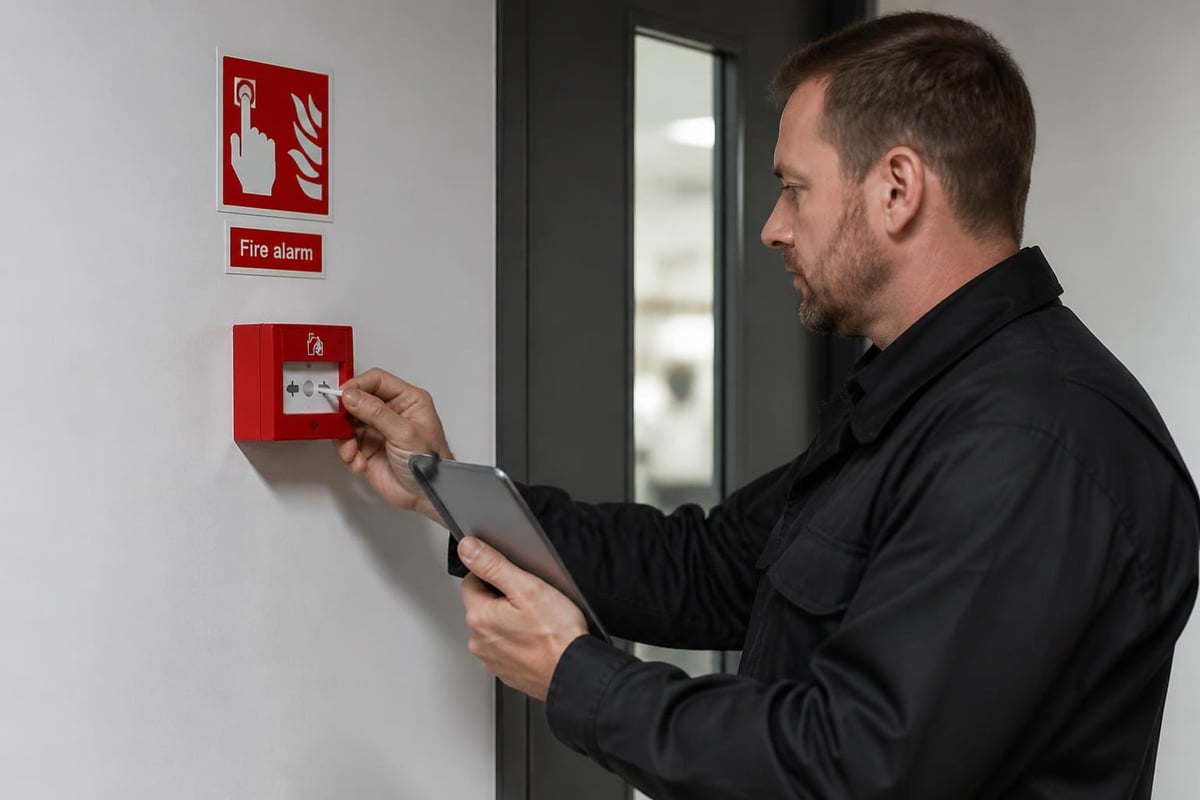
  • Manual call points: break-glass units allowing occupants to trigger alarms manually
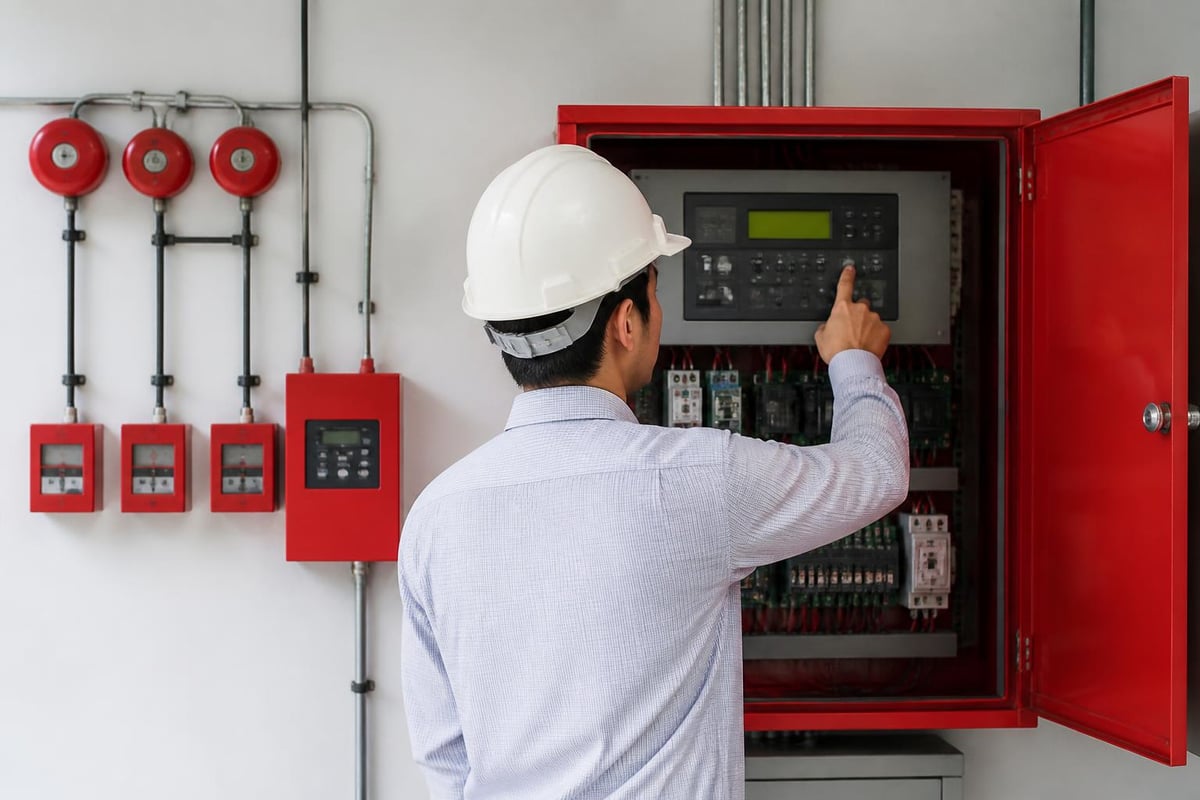
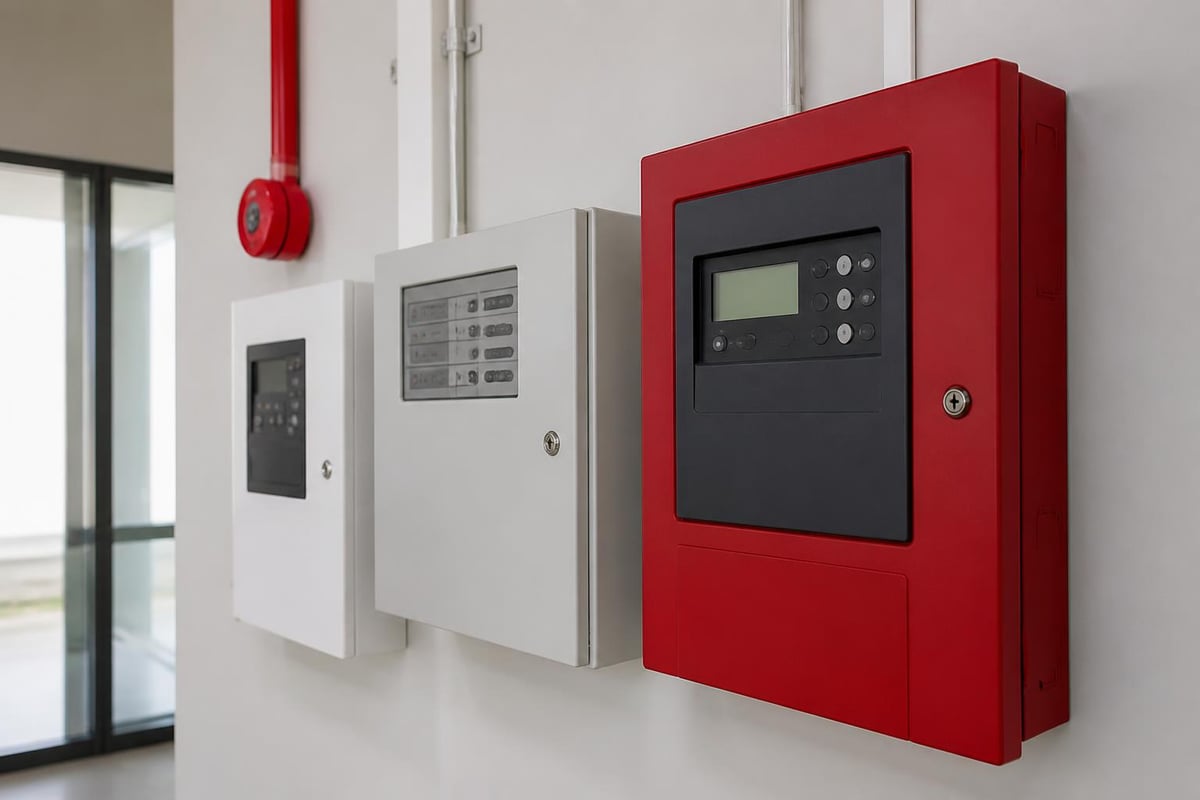
  • Control panels: the central processing unit that monitors all devices and manages system responses
  • Notification appliances: sounders, bells, and visual indicators that alert occupants
  • Power supplies: mains power with battery backup to ensure continuous operation

The architecture varies depending on building size, occupancy type, and specific fire risks. Conventional systems divide buildings into zones, whilst addressable systems identify individual device locations, providing precise fire location information to emergency responders.

Fire alarm system zones

System Categories and Classifications

British Standards define commercial fire alarm system categories based on the level of protection required. Category L systems protect life, whilst Category P systems protect property. Each category has subcategories that determine coverage extent:

Category Purpose Coverage
L1 Maximum life protection All areas including roof voids and service ducts
L2 Life protection with defined coverage Escape routes plus specific high-risk areas
L3 Life protection - escape routes only Corridors, stairwells, and designated escape paths
L4 Life protection - limited areas Specific rooms or zones as determined by risk assessment
L5 Life protection - customized Bespoke coverage based on individual risk assessment

The appropriate category depends on findings from a comprehensive fire risk assessment, which evaluates building characteristics, occupancy patterns, and fire hazards.

Installation Requirements and Best Practices

Installing a commercial fire alarm system requires careful planning, adherence to standards, and professional expertise. The process involves considerably more than simply mounting devices on walls.

Design and Planning Considerations

Effective system design begins with understanding the building's layout, construction materials, ceiling heights, and environmental conditions. Detection device placement follows specific guidelines to ensure adequate coverage whilst minimizing false alarms. Heat detectors suit kitchens and areas where smoke detectors would trigger unnecessarily, whilst smoke detectors provide earlier warning in most commercial spaces.

Compliance with fire alarm installation requirements ensures systems meet current building regulations and British Standards, particularly BS 5839-1, which governs fire detection and alarm systems in non-domestic premises. Professional installers assess cable routes, power requirements, and integration with other building systems during the design phase.

Installation Standards and Certification

Qualified engineers must undertake all installation work to maintain compliance and ensure warranty validity. The process includes:

  1. Site survey and system design - assessing building characteristics and determining device locations
  2. Cable installation and device mounting - running fire-rated cables and securely fixing all components
  3. Control panel programming - configuring zones, causes, and effects for proper system operation
  4. System commissioning - testing every device and circuit to verify correct operation
  5. Documentation and handover - providing operation manuals, test certificates, and compliance records

Installing fire alarm systems in commercial buildings requires adherence to manufacturer specifications and industry best practices to ensure reliable performance when needed most.

Maintenance and Testing Obligations

A commercial fire alarm system requires regular attention to maintain its protective capabilities. Statutory testing frequencies and maintenance schedules ensure continuous compliance with fire safety legislation.

Regular Testing Requirements

The Regulatory Reform (Fire Safety) Order 2005 places responsibility on duty holders to maintain fire safety equipment in working order. Testing schedules follow British Standard recommendations:

  • Weekly tests: manual activation of a different call point each week, with rotation ensuring all points are tested quarterly
  • Monthly checks: verification of panel indications, battery condition, and fault reporting
  • Quarterly inspections: examination of all detectors, sounders, and system components
  • Annual servicing: comprehensive testing by competent technicians, including detector sensitivity checks and full system functionality tests

Businesses seeking support with fire alarm testing and maintenance can benefit from professional services that ensure compliance whilst translating technical data into structured reports suitable for regulatory inspections.

Fire alarm testing schedule

Documentation and Record Keeping

Maintaining detailed records proves compliance during inspections and provides evidence of due diligence. Essential documentation includes:

Document Type Content Retention Period
Log book All tests, faults, and remedial work Permanent record
Test certificates Annual service reports and commissioning certificates Building lifetime
As-installed drawings Device locations and system architecture Updated with alterations
User instructions Operation procedures and emergency protocols Current version accessible

The log book serves as the primary compliance document, recording weekly tests, false alarms, faults, and maintenance activities. Fire alarm maintenance protocols emphasize the importance of consistent documentation practices.

Common Challenges and Solutions

Operating a commercial fire alarm system presents various challenges that require proactive management and technical expertise to resolve effectively.

False Alarm Management

False alarms disrupt business operations, potentially desensitize occupants to genuine emergencies, and may incur charges from fire services. Common causes include:

  • Dust accumulation on detector sensors
  • Aerosol sprays and cleaning products triggering smoke detectors
  • Steam from kitchens or bathrooms
  • Construction or maintenance activities generating airborne particles
  • Electrical interference or poor connections

Implementing procedures such as covering detectors during high-risk activities, regular detector cleaning, and selecting appropriate detector types for specific environments significantly reduces false activations. Modern addressable systems allow individual detector sensitivity adjustment to suit environmental conditions.

Integration with Building Management Systems

Contemporary commercial fire alarm systems increasingly integrate with building management platforms, access control, and HVAC systems to coordinate emergency responses. Integration enables automatic actions such as:

  1. Elevator recall to ground floor positions
  2. Door release for emergency egress
  3. HVAC shutdown to prevent smoke circulation
  4. Emergency lighting activation
  5. Remote monitoring and notification

However, integration complexity requires careful design to ensure fire alarm system integrity remains uncompromised. Separation between critical fire safety circuits and general building services prevents single points of failure.

Upgrading and System Replacement

Technology advances and changing building use often necessitate system upgrades or complete replacements during a building's operational life.

Determining Upgrade Requirements

Several indicators suggest a commercial fire alarm system requires attention beyond routine maintenance:

  • System age exceeding 10-15 years with obsolete components
  • Difficulty sourcing replacement parts
  • Incompatibility with current British Standards
  • Building extensions or alterations requiring additional coverage
  • Changes in building use or occupancy levels

Commercial fire alarm system installation guidance highlights that proactive replacement often proves more cost-effective than maintaining ageing systems with increasing failure rates.

Modern Technology Benefits

Newer systems offer enhanced capabilities that improve both safety and operational efficiency:

  • Wireless technology: reducing installation disruption in occupied buildings or listed structures
  • Advanced analytics: distinguishing genuine fire signatures from false alarm sources
  • Cloud-based monitoring: enabling remote system supervision and faster emergency response
  • Voice evacuation: providing clear instructions during emergencies rather than just alarm tones
  • Networked systems: connecting multiple buildings or sites through single management platforms

Upgrading to addressable technology particularly benefits larger premises, providing precise fire location information that accelerates emergency response and evacuation procedures.

Fire alarm technology comparison

Regulatory Compliance and Legal Responsibilities

Understanding legal obligations surrounding commercial fire alarm systems ensures businesses meet their statutory duties and avoid enforcement action.

Primary Legislation and Standards

The Regulatory Reform (Fire Safety) Order 2005 establishes the legal framework for fire safety in non-domestic premises across England and Wales. The Order designates a 'Responsible Person' who must ensure appropriate fire safety measures, including suitable fire detection and warning systems.

Key standards governing commercial fire alarm installations include:

  • BS 5839-1:2017 - Code of practice for fire detection and alarm systems in buildings
  • BS 5839-6:2019 - Code of practice for domestic fire detection systems
  • BS 7273 - Code of practice for actuation of release mechanisms for doors
  • BS EN 54 - Components of automatic fire detection systems

Compliance extends beyond installation to encompass ongoing maintenance, testing, and record keeping. Enforcement authorities may issue enforcement notices, prohibition notices, or prosecute duty holders failing to maintain adequate fire safety measures.

Consequences of Non-Compliance

Neglecting fire alarm system maintenance or operating with deficient systems carries serious consequences:

Consequence Impact
Enforcement action Improvement or prohibition notices restricting business operations
Prosecution Unlimited fines and potential imprisonment for responsible persons
Insurance invalidation Claims rejected due to inadequate fire precautions
Civil liability Legal action following fire-related injuries or deaths
Reputational damage Public disclosure of safety failings affecting business credibility

Beyond legal ramifications, system failures during actual fire events can result in tragic loss of life and property. Viewing fire alarm compliance as essential business infrastructure rather than optional expense reflects responsible organizational leadership.

Selecting the Right System for Your Premises

Choosing an appropriate commercial fire alarm system requires balancing technical requirements, budget considerations, and future adaptability.

Assessment Criteria

Several factors influence system selection:

  • Building size, layout, and construction type
  • Occupancy characteristics and evacuation capabilities
  • Environmental conditions affecting detector performance
  • Integration requirements with existing building systems
  • Budget for both capital expenditure and ongoing maintenance
  • Scalability for future building modifications

Engaging professional fire safety consultants during the specification phase ensures systems match actual building needs rather than defaulting to generic solutions. Systems over-specified for simple premises waste resources, whilst under-specified systems fail to provide adequate protection.

Working with Professional Installers

Selecting qualified installers significantly impacts system reliability and compliance. Look for companies demonstrating:

  1. Third-party certification such as BAFE SP203-1 or NSI Gold accreditation
  2. Comprehensive insurance including professional indemnity and public liability coverage
  3. Manufacturer approvals for specific equipment being installed
  4. Proven experience with similar building types and system categories
  5. Ongoing support including maintenance contracts and emergency callout services

Installers should provide clear quotations detailing equipment specifications, installation scope, commissioning procedures, and documentation deliverables. Competitive tendering processes help ensure value whilst maintaining quality standards.

Emerging Technologies and Future Developments

The fire safety industry continues evolving, with innovations enhancing commercial fire alarm system capabilities and reliability.

Artificial Intelligence and Machine Learning

Advanced algorithms now analyze detector data patterns to distinguish genuine fire conditions from environmental anomalies that traditionally triggered false alarms. Machine learning models improve over time, adapting to specific building environments and reducing unnecessary activations whilst maintaining sensitivity to actual threats.

Research into security best practices and IoT integration highlights opportunities for enhanced connectivity whilst maintaining system integrity against cyber threats. As fire alarm systems become increasingly networked, cybersecurity considerations enter fire safety planning for the first time.

Sustainable and Adaptive Systems

Environmental considerations drive development of lower-power systems utilizing energy harvesting and extended battery technologies. Wireless devices reduce cable requirements, decreasing installation environmental impact and enabling easier integration in heritage buildings where visible cabling proves unacceptable.

Adaptive systems that automatically adjust sensitivity based on environmental conditions, occupancy patterns, and time of day represent the next evolution in false alarm reduction whilst maintaining protective capabilities.


Implementing and maintaining an effective commercial fire alarm system represents a fundamental responsibility for businesses operating across the United Kingdom. From initial specification through installation, testing, and ongoing maintenance, every aspect requires professional attention to ensure life safety and regulatory compliance. Firesurv Group Ltd provides comprehensive fire alarm installation, testing, and maintenance services throughout the UK, delivering expert support that keeps businesses safe and legally compliant whilst translating technical requirements into practical solutions.

Need Fire Safety Services?

Contact our team for professional fire safety solutions