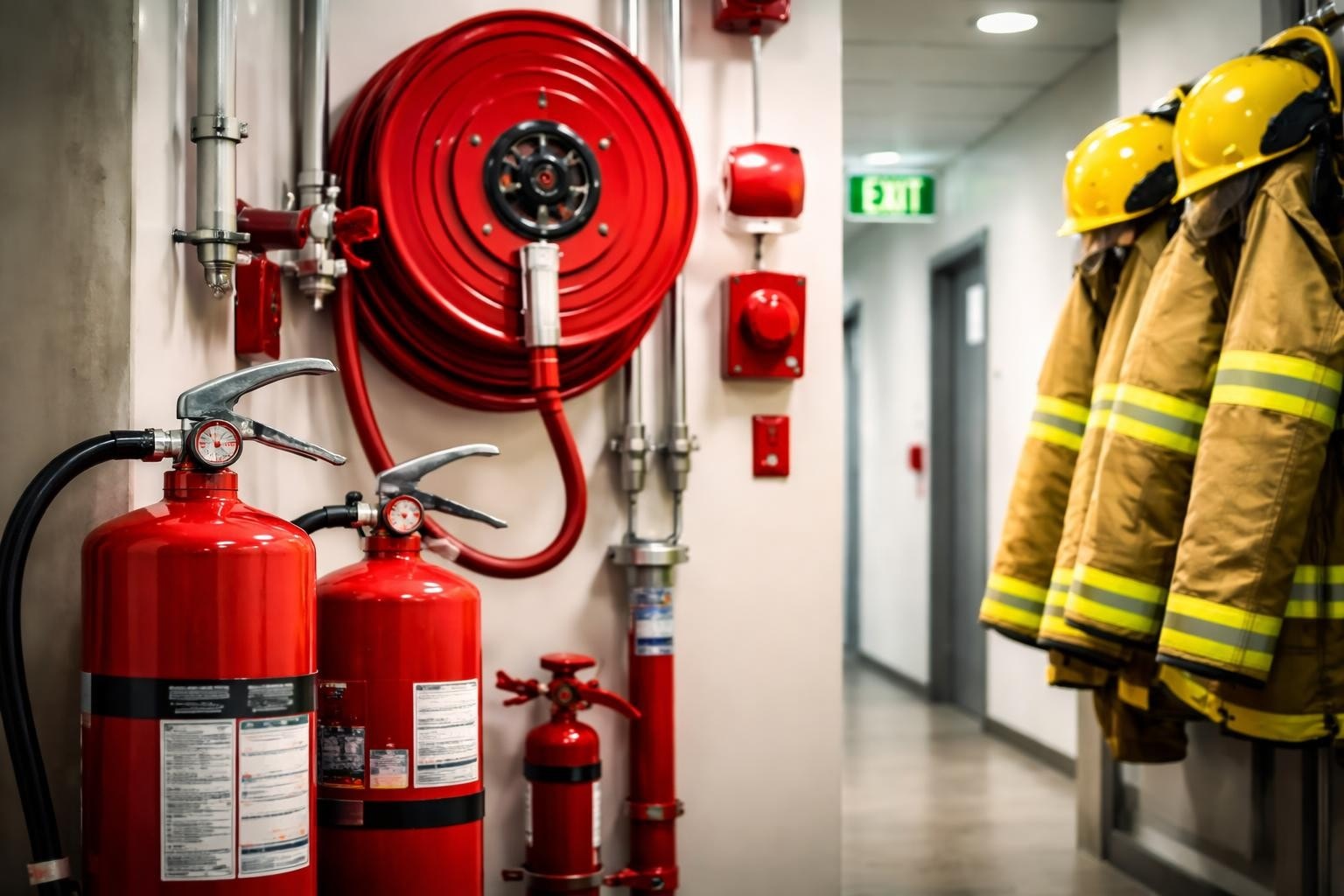
Fire safety equipment represents one of the most critical investments any organisation can make. Proper selection, installation, and maintenance of fire fighting eqpt directly influences the safety of employees, visitors, and property whilst ensuring compliance with stringent UK fire safety legislation. Understanding the breadth of available equipment and the regulatory framework governing its use empowers business owners and responsible persons to make informed decisions that protect lives and minimise liability.
Understanding Fire Fighting Equipment Categories
Fire fighting eqpt encompasses a diverse range of tools and systems designed to prevent, detect, suppress, and aid in the escape from fire emergencies. Each category serves distinct functions within an integrated fire safety strategy.
Portable Fire Extinguishers
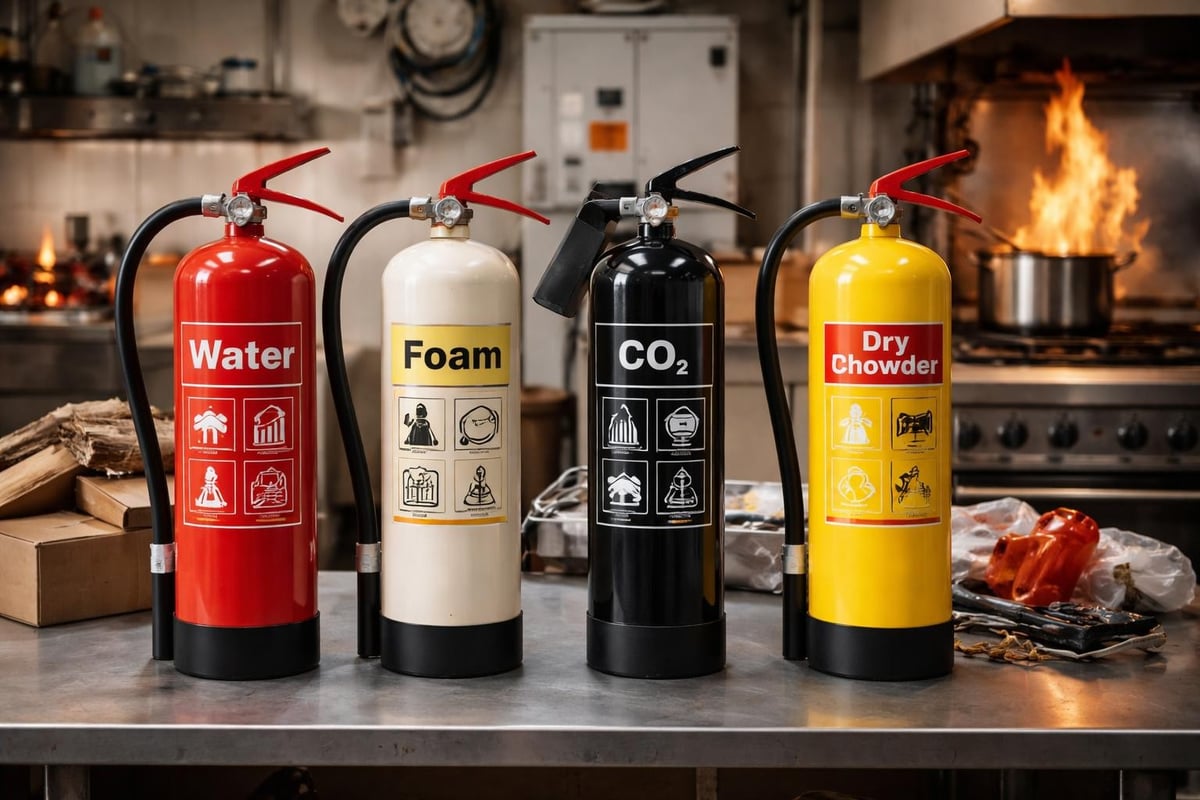
Portable extinguishers remain the first line of defence for occupants confronting small fires. Modern extinguishers are classified by the fire types they address:
- Water extinguishers for Class A fires (wood, paper, textiles)
- Foam extinguishers for Class A and B fires (flammable liquids)
- CO₂ extinguishers for electrical fires and Class B fires
- Dry powder extinguishers for multi-class applications
- Wet chemical extinguishers specifically designed for Class F fires (cooking oils and fats)
Selection depends on the specific fire risks identified during Fire Risk Assessments, which qualified assessors conduct to evaluate premises, identify hazards, and determine appropriate control measures under the Regulatory Reform (Fire Safety) Order 2005.
The British Standard BS 5306-3 specifies installation, commissioning, and maintenance requirements for portable fire extinguishers. Proper placement requires positioning extinguishers at conspicuous locations near exit routes, with travel distances not exceeding 30 metres for Class A risks and 10 metres for Class B risks.
Fixed Suppression Systems
Beyond portable equipment, fixed installations provide automated protection for larger areas and specialised risks. These systems include:
Sprinkler systems activate automatically when heat triggers individual sprinkler heads, releasing water to control or extinguish fires. According to industry data, properly maintained sprinkler systems achieve success rates exceeding 95% in controlling fire development.
Gaseous suppression systems discharge inert gases or chemical agents to reduce oxygen levels or interrupt combustion chemistry. These systems suit environments where water damage would be catastrophic, such as server rooms, archives, and electrical installations.
Foam deluge systems protect high-risk areas involving flammable liquids, such as industrial processing facilities, aircraft hangars, and fuel storage areas.
| System Type |
Application |
Activation Method |
Maintenance Frequency |
| Wet Pipe Sprinkler |
General commercial |
Automatic (heat) |
Annual inspection |
| Dry Pipe Sprinkler |
Unheated spaces |
Automatic (heat) |
Quarterly air pressure check |
| Gaseous Suppression |
IT/Electrical rooms |
Automatic (detection) |
Six-monthly inspection |
| Foam Deluge |
Flammable liquid storage |
Manual or automatic |
Annual functional test |
Fire Detection and Alarm Systems
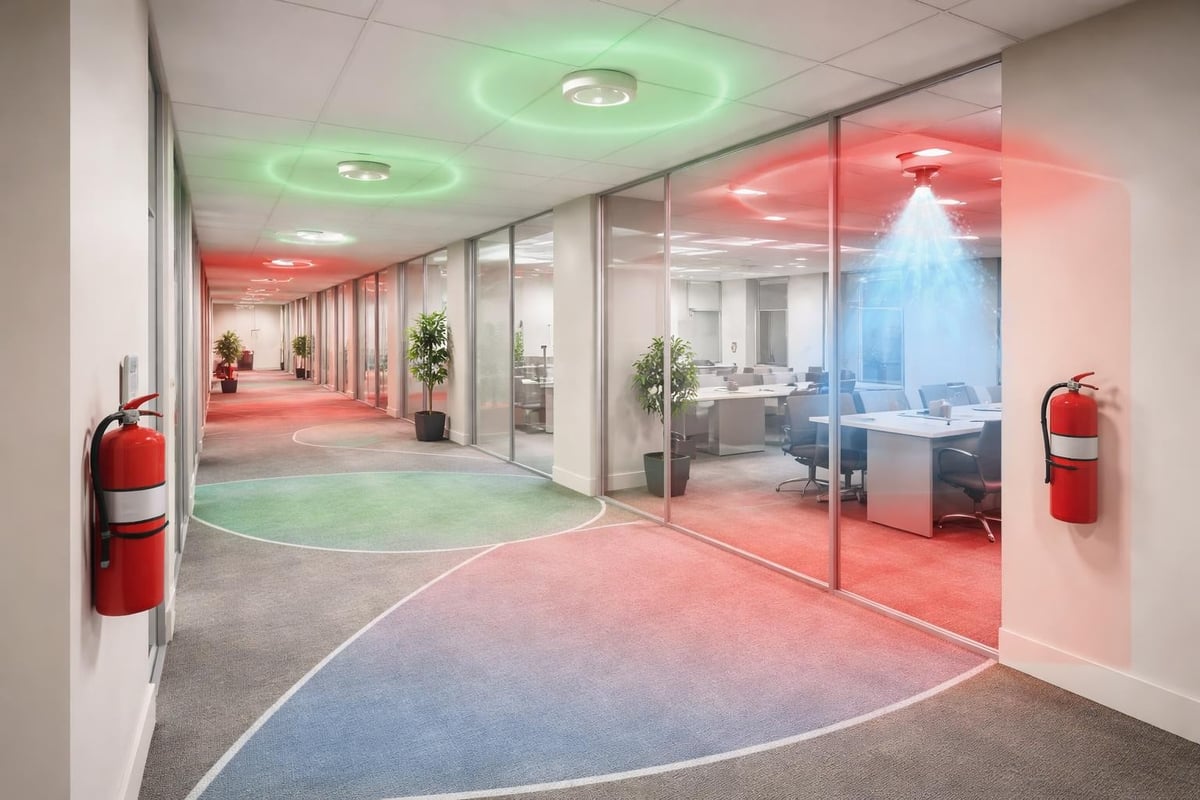
Early detection remains paramount to successful evacuation and fire suppression. Modern fire alarm systems integrate multiple detection technologies to provide reliable warning whilst minimising false alarms.
Detection devices include ionisation smoke detectors, optical smoke detectors, heat detectors, and multi-sensor devices combining multiple detection principles. The National Fire Alarm and Signaling Code provides comprehensive guidance on fire alarm system design and installation standards.
Manual call points positioned at exit routes enable occupants to trigger alarms immediately upon discovering fire. These conspicuous red boxes should be located so that no person needs to travel more than 45 metres to raise the alarm.
Regulatory Compliance and Standards
UK businesses operate under stringent fire safety legislation requiring appropriate fire fighting eqpt provision and maintenance. The Regulatory Reform (Fire Safety) Order 2005 places legal duties on responsible persons to conduct suitable risk assessments and implement appropriate fire safety measures.
Installation Requirements
OSHA regulations in construction contexts outline fire protection requirements, whilst UK-specific standards provide detailed technical specifications. Professional installation by competent contractors ensures equipment functions correctly and meets regulatory expectations.
Fire fighting eqpt must be installed according to manufacturer specifications and relevant British Standards. Extinguishers require mounting at appropriate heights (typically with handles between 1 metre and 1.5 metres from floor level) and clear identification through standardised signage.
Fixed systems demand more complex installation procedures:
- Detailed design calculations accounting for room volume, hazard type, and occupancy
- Hydraulic calculations for water-based systems ensuring adequate flow and pressure
- Integration with building management systems and fire alarm panels
- Commissioning procedures verifying system operation under realistic conditions
- Handover documentation including operation manuals and maintenance schedules
Maintenance and Testing Protocols
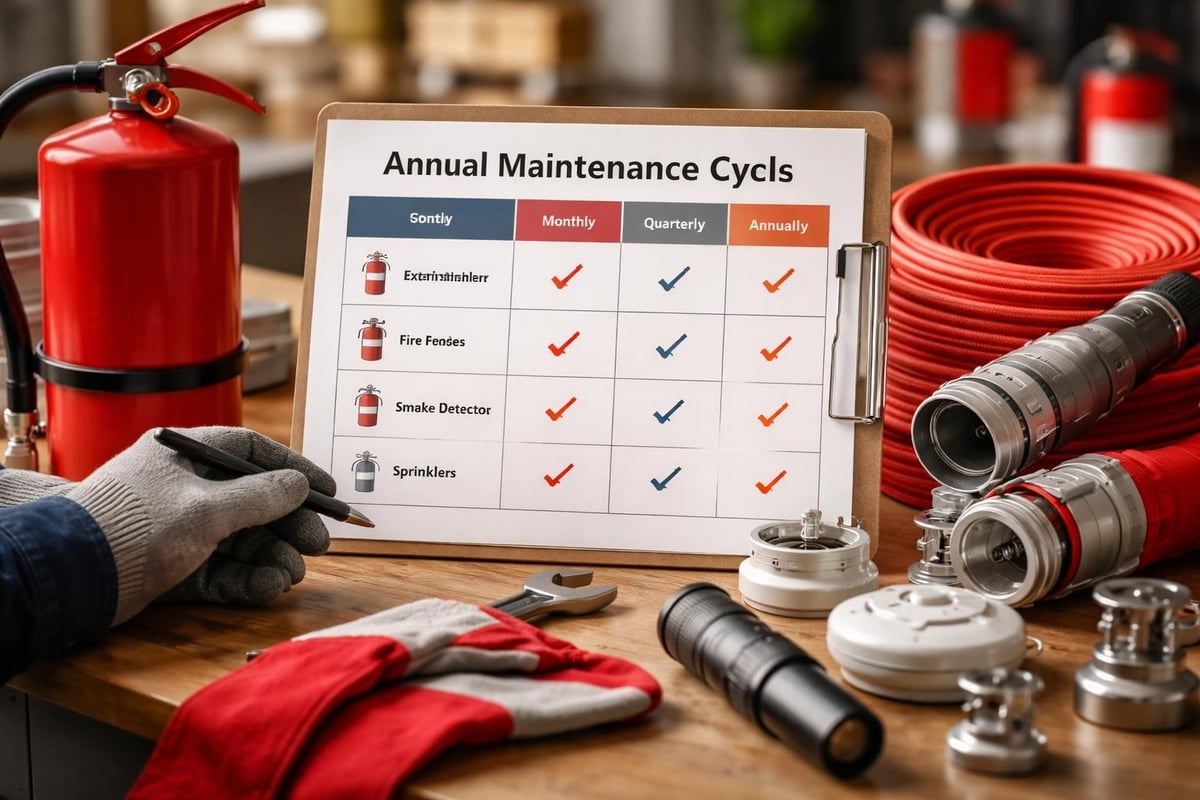
Regular maintenance preserves fire fighting eqpt reliability and satisfies legal obligations. Portable firefighting equipment regulations specify maintenance protocols applicable across various jurisdictions, whilst British Standards provide UK-specific guidance.
Portable extinguishers require annual servicing by competent persons, with extended services (discharge and refill) at intervals specified by manufacturers. Monthly visual inspections by responsible persons verify extinguishers remain in position, show no obvious damage, and retain adequate pressure.
Fixed suppression systems demand more rigorous maintenance schedules. Sprinkler systems require quarterly inspections of alarm valves, six-monthly testing of water supplies, and annual comprehensive examinations. Gaseous suppression systems need six-monthly inspections with annual weight checks of gas cylinders.
Specialised Fire Fighting Equipment
Beyond standard extinguishers and detection systems, certain environments require specialised fire fighting eqpt tailored to unique hazards.
Personal Protective Equipment
Firefighters and designated fire wardens may require protective equipment including:
- Fire-resistant clothing meeting standards for structural firefighting or wildland operations
- Breathing apparatus for entry into smoke-filled environments
- Thermal imaging cameras to locate heat sources through smoke
- Firefighting helmets providing impact protection and heat resistance
Firefighter protective equipment standards continue evolving, with recent focus on eliminating PFAS chemicals from gear due to associated health risks identified through ongoing research.
Standards such as California's structural firefighting PPE requirements and wildland firefighting specifications illustrate the detailed technical requirements governing protective equipment.
Fire Hose Reels and Hydrants
Fire hose reels provide a continuous water supply for tackling fires beyond extinguisher capacity but before fire service arrival. These installations typically include:
- 30-metre hose length reaching all areas within protected zones
- 6mm or 10mm nozzles controlling water flow
- Swivel mounting allowing easy deployment
- Automatic rewind mechanisms for rapid storage
Landing valves and dry rising mains in multi-storey buildings enable firefighters to access water supplies at upper levels without extending hoses from ground level. These systems require annual pressure testing and six-monthly visual inspections.
Fire Blankets and Ancillary Equipment
Fire blankets provide an effective means of smothering small fires, particularly in kitchens where Class F fires involving cooking oils present significant risks. Conforming to BS EN 1869, fire blankets should be readily accessible near cooking equipment.
Additional ancillary equipment includes:
- Fire safety signage identifying equipment locations, escape routes, and assembly points
- Emergency lighting ensuring safe evacuation during power failures
- Fire doors and passive fire protection maintaining compartmentation
- Escape ladders for emergency egress from upper floors
Selection Criteria for Fire Fighting Equipment
Choosing appropriate fire fighting eqpt requires systematic assessment of multiple factors influencing effectiveness and compliance.
Risk Assessment Alignment
Equipment selection begins with thorough fire risk assessment identifying potential ignition sources, combustible materials, vulnerable persons, and existing control measures. The assessment determines:
Fire load characteristics including the quantity and arrangement of combustible materials influencing fire development speed and intensity.
Occupancy factors such as the number of people, their familiarity with premises, and any mobility impairments affecting evacuation capabilities.
Process hazards associated with industrial operations, chemical storage, or specialised activities creating unique fire risks.
Equipment specifications must address identified risks proportionately. High-risk environments demand more sophisticated detection, suppression, and personal protective equipment than standard office premises.
Environmental Considerations
Operating environment influences equipment suitability and longevity:
| Environmental Factor |
Equipment Consideration |
Example Application |
| Temperature extremes |
Dry pipe sprinklers, specialised extinguishers |
Unheated warehouses, cold stores |
| Corrosive atmospheres |
Stainless steel components, protective coatings |
Chemical processing, coastal locations |
| Explosive atmospheres |
ATEX-certified detection devices |
Paint spraying, grain stores |
| Water sensitivity |
Gaseous suppression, electrical equipment extinguishers |
Data centres, heritage buildings |
Capacity and Coverage
Fire fighting eqpt must provide adequate capacity and coverage for protected premises. Calculating requirements involves:
- Floor area calculations determining the number and rating of portable extinguishers required
- Hydraulic calculations for sprinkler systems ensuring adequate water delivery
- Detection zone planning providing comprehensive coverage without excessive devices
- Travel distance analysis verifying occupants can reach equipment or exits promptly
Professional fire safety specialists possess the expertise to perform these calculations accurately, ensuring compliance whilst avoiding over-specification that wastes resources.
Training and Competency Requirements
Fire fighting eqpt provides value only when personnel understand its correct use. Comprehensive training programmes ensure staff can respond effectively during emergencies.
Fire Warden Training
Designated fire wardens receive enhanced instruction covering:
- Equipment operation for all fire fighting eqpt types present on premises
- Evacuation procedures including assembly point management and roll call procedures
- Risk awareness recognising hazards and escalation indicators
- Communication protocols liaising with emergency services and building management
Regular refresher training maintains competency and familiarises wardens with equipment modifications or premises changes.
General Staff Awareness
All employees require basic fire safety awareness including:
- Location of fire fighting eqpt and emergency exits
- Raising the alarm and evacuation procedures
- When to attempt fire fighting and when to evacuate immediately
- Personal emergency evacuation plans for vulnerable individuals
Fire safety training programmes should be delivered during induction and repeated annually, with additional sessions following significant incidents or procedural changes.
Equipment-Specific Training
Specialised fire fighting eqpt demands targeted instruction. Breathing apparatus users require competency certification, whilst those operating gaseous suppression systems need understanding of:
- Pre-discharge alarms and abort mechanisms
- Safe re-entry procedures following discharge
- Environmental hazards created by suppression agents
- Manual activation procedures for system failures
Documentation of training attendance and competency assessments provides evidence of due diligence for regulatory compliance purposes.
Emerging Technologies and Future Trends
Fire fighting eqpt continues evolving through technological advancement and materials science innovations.
Smart Detection Systems
Modern fire detection increasingly incorporates:
- Multi-criteria algorithms analysing multiple parameters (smoke density, temperature rise rate, gas composition) to distinguish genuine fires from false alarm sources
- Networked systems enabling remote monitoring, automated testing, and predictive maintenance
- Integration capabilities linking fire detection with building management systems, HVAC controls, and access control platforms
- Cloud connectivity facilitating real-time alerts to responsible persons and emergency contacts
These advancements reduce false alarms whilst accelerating genuine incident detection and response.
Water Mist Systems
Water mist technology offers advantages over conventional sprinklers in specific applications:
- Reduced water consumption minimising damage to contents
- Improved cooling efficiency through increased surface area
- Suitability for heritage buildings with water damage concerns
- Effectiveness against cooking oil fires
Adoption continues growing as system costs decrease and approvals expand across building types.
Environmental Considerations
Sustainability concerns drive equipment development prioritising:
- Low global warming potential suppression agents replacing traditional halon systems
- Reduced water usage through more efficient sprinkler designs and alternative suppression technologies
- Recyclable materials in extinguisher construction and packaging
- Extended service intervals reducing maintenance resource consumption
Businesses increasingly factor environmental impact alongside protection effectiveness when specifying fire fighting eqpt.
Integration with Building Fire Strategy
Fire fighting eqpt forms one element within comprehensive fire safety strategies addressing prevention, detection, suppression, and escape.
Passive Fire Protection Synergy
Active fire fighting eqpt works in concert with passive fire protection elements including fire doors, fire-resistant walls and floors, cavity barriers, and fire-stopping materials. Effective compartmentation contains fires within limited areas, enabling extinguishers and hose reels to control incidents before they overwhelm available resources.
Professional inspection, installation, and remediation of passive fire protection systems maintains compartmentation integrity and preserves safe evacuation routes in accordance with UK fire safety legislation.
Means of Escape Considerations
Equipment placement must not obstruct escape routes or create confusion during evacuation. Fire fighting eqpt should be positioned:
- Adjacent to exit routes without blocking doorways or corridors
- At decision points where occupants choose between routes
- Near high-risk areas where fires are most likely to originate
- With clear signage visible from multiple approach directions
Emergency lighting ensures equipment remains locatable during power failures or smoke conditions.
Management and Documentation
Successful integration requires robust management systems encompassing:
| Documentation Type |
Contents |
Review Frequency |
| Fire safety policy |
Responsibilities, procedures, objectives |
Annual |
| Equipment inventory |
Locations, types, service history |
Quarterly update |
| Maintenance schedules |
Inspection dates, test results, remedial actions |
Monthly review |
| Training records |
Attendance, competency assessments, refresher dates |
After each session |
| Incident reports |
Fire alarm activations, equipment use, lessons learned |
Following incidents |
Digital management platforms streamline record-keeping whilst facilitating compliance demonstrations during regulatory inspections.
Cost Considerations and Budgeting
Implementing comprehensive fire fighting eqpt programmes requires strategic financial planning balancing protection needs against budget constraints.
Initial Capital Investment
Equipment costs vary significantly based on technology sophistication and coverage requirements:
- Portable extinguishers range from £25 for basic water units to £150 for larger CO₂ or foam extinguishers
- Fire hose reels typically cost £200-£400 including installation
- Aspirating smoke detection systems may exceed £1,000 per detector for high-sensitivity applications
- Complete sprinkler installations range from £3-£8 per square foot depending on building characteristics
Professional specification ensures investment focuses on equipment providing optimal risk reduction rather than unnecessary over-provision.
Ongoing Maintenance Expenditure
Annual maintenance costs typically represent 10-15% of initial equipment value for portable extinguishers and 5-10% for fixed installations. Budgets should accommodate:
- Routine servicing and testing
- Component replacement as equipment ages
- System modifications following premises alterations
- Emergency repairs addressing equipment failures
- Compliance inspections and certification
Whole-life costing models evaluate total ownership costs over expected equipment lifespans, typically 10-25 years depending on fire fighting eqpt type.
Insurance and Liability Implications
Adequate fire fighting eqpt provision influences insurance premiums and liability exposure. Insurers commonly offer premium reductions for premises with:
- Certified sprinkler installations
- 24-hour monitored fire detection
- Comprehensive maintenance documentation
- Regular staff training programmes
Conversely, inadequate equipment or poor maintenance may result in coverage limitations, increased excesses, or policy exclusions affecting financial recovery following incidents.
Common Compliance Pitfalls
Despite clear regulatory frameworks, businesses frequently encounter compliance issues affecting fire fighting eqpt effectiveness.
Inadequate Maintenance Records
Failure to document inspections, tests, and servicing comprehensively creates compliance vulnerabilities. Enforcement authorities expect detailed records demonstrating:
- Inspection dates and inspector identities
- Defects identified and remedial actions taken
- Test results for detection and suppression systems
- Component replacements and equipment modifications
Missing documentation may result in enforcement notices even where equipment functions correctly.
Incorrect Equipment Selection
Mismatches between fire fighting eqpt and premises risks compromise protection effectiveness. Common errors include:
- Water extinguishers in areas with electrical equipment
- Insufficient extinguisher ratings for floor area protected
- Detection devices unsuitable for environmental conditions
- Suppression system capacity inadequate for protected volume
Professional assessment by qualified fire safety specialists prevents these costly mistakes.
Obstruction and Access Issues
Equipment rendered inaccessible through poor housekeeping or storage practices fails to provide intended protection. Responsible persons must ensure:
- Clear access to extinguishers and call points
- Unobstructed fire hose reel operation
- Detection devices free from paint overspray or dust accumulation
- Signage visible from approach directions
Regular premises inspections identify and rectify access issues before they compromise emergency response.
Effective fire safety depends on selecting, installing, and maintaining appropriate fire fighting eqpt matched to your specific risks and regulatory obligations. From portable extinguishers to sophisticated suppression systems, each component contributes to protecting lives and property whilst demonstrating compliance with UK fire safety legislation. Firesurv Group Ltd provides comprehensive fire protection services including expert assessments, professional installations, and specialist training to help businesses across the United Kingdom maintain robust fire safety programmes that safeguard people and ensure regulatory compliance.