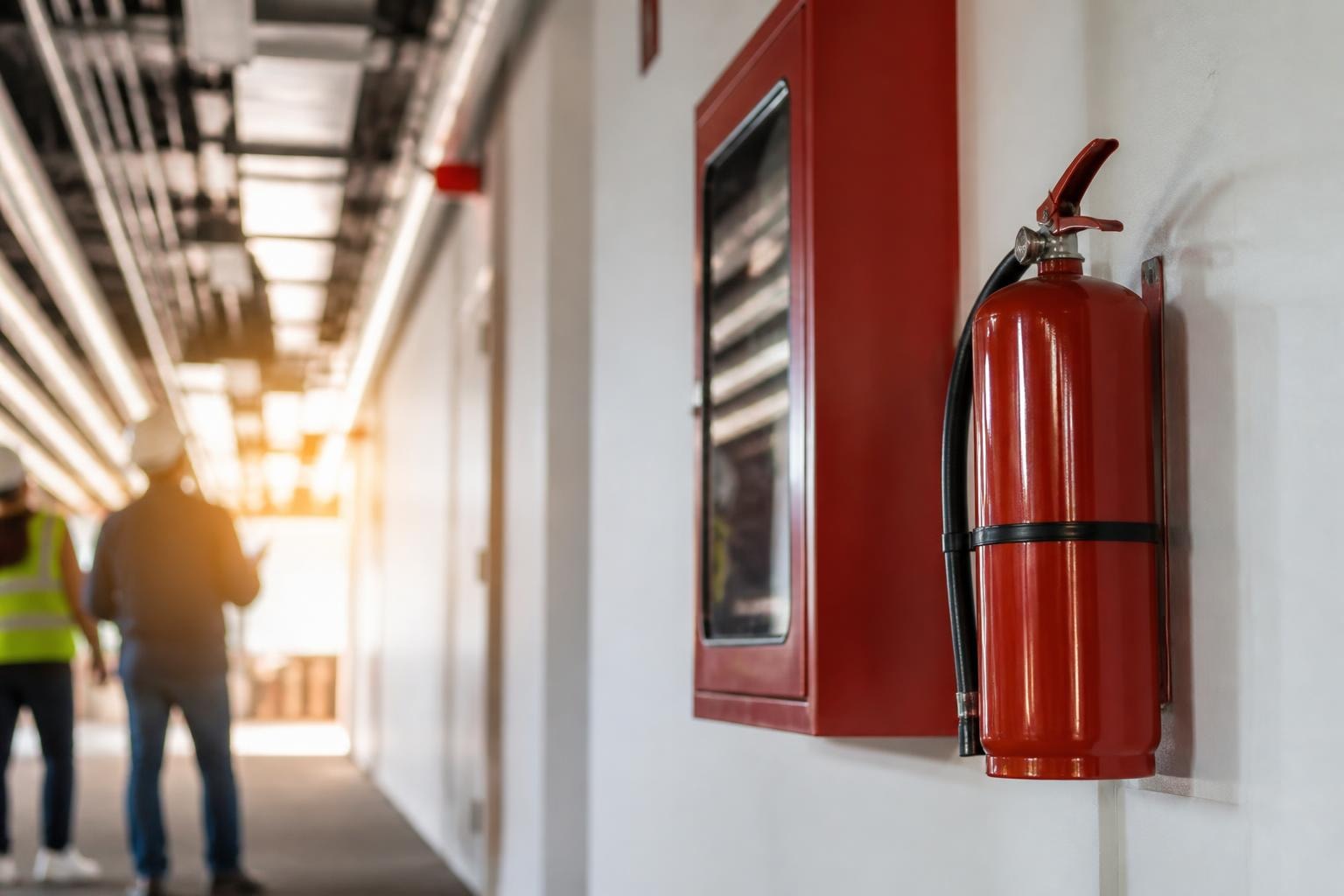
Fire remains one of the most significant threats to commercial properties across the United Kingdom, with businesses facing substantial risks from both preventable hazards and unpredictable circumstances. Understanding the nature of fire risks is essential for protecting employees, customers, property, and ensuring legal compliance. The consequences of inadequate fire safety extend beyond immediate danger, encompassing financial losses, operational disruption, legal liability, and reputational damage that can permanently affect organisations of any size.
Common Sources of Fire Risks in Business Premises
Commercial buildings present numerous potential ignition sources that require constant vigilance and management. Electrical equipment represents one of the most prevalent fire risks, with faulty wiring, overloaded circuits, and malfunctioning appliances contributing to thousands of incidents annually across UK workplaces.
Electrical System Vulnerabilities
Electrical installations deteriorate over time, particularly in older buildings where infrastructure may not meet current safety standards. Damaged cables, loose connections, and inadequate earthing create conditions where electrical arcing can occur, generating intense heat capable of igniting nearby combustible materials. Portable appliance testing, regular inspections, and prompt repairs are essential control measures.
Overloaded extension leads and multi-socket adapters compound these risks by drawing excessive current through circuits designed for lower loads. This sustained overheating gradually degrades insulation materials and increases the likelihood of catastrophic failure. Research indicates that electrical fires in structures represent a significant proportion of workplace incidents.
- Frayed or damaged power cables require immediate replacement
- Regular electrical safety inspections identify degradation before failure
- Appropriate circuit protection devices limit damage from electrical faults
- Clear workspace organisation prevents accidental damage to cables
Heating Equipment and Kitchen Facilities
Commercial kitchens and heating systems introduce concentrated heat sources that demand rigorous management protocols. Deep fat fryers, grills, and ovens operate at temperatures sufficient to ignite grease deposits, packaging materials, and other combustibles if proper clearances and maintenance schedules are not observed.

Portable heaters deserve particular attention during winter months when their use increases substantially. Positioning these devices too close to curtains, furniture, or paper storage creates immediate fire risks that staff may not recognise. Space heaters should maintain minimum clearances from all combustible materials and never be left unattended during operation.
| Heat Source |
Primary Risk Factor |
Control Measure |
| Deep fryers |
Grease accumulation |
Daily cleaning, temperature controls |
| Space heaters |
Proximity to combustibles |
Clearance zones, automatic shut-off |
| Boilers |
Maintenance neglect |
Annual servicing, safety inspections |
| Industrial ovens |
Material storage nearby |
Designated safe zones, clear procedures |
Human Factors Contributing to Fire Risks
Beyond equipment failures, human behaviour patterns significantly influence fire risk levels within commercial environments. Smoking materials, when improperly discarded, remain a persistent cause of workplace fires despite widespread smoking restrictions in public buildings.
Procedural Failures and Training Deficiencies
Inadequate staff training creates vulnerability across multiple fire safety domains. Employees unfamiliar with evacuation procedures, fire extinguisher operation, or alarm activation protocols cannot respond effectively during emergencies. This knowledge gap transforms manageable incidents into serious threats.
Storage practices frequently introduce fire risks when combustible materials accumulate in inappropriate locations. Cardboard boxes stacked near electrical panels, flammable liquids stored without proper containment, and blocked fire exits exemplify how routine decisions undermine safety infrastructure. The NIST fire risk reduction programme emphasises systematic approaches to identifying and mitigating such hazards.
Maintenance postponement allows minor issues to escalate into major fire risks. Deferred repairs to fire doors, disabled smoke detectors, and unmaintained fire suppression systems erode protective barriers that segregate fires and facilitate safe evacuation.
- Regular fire safety training ensures staff competency
- Clear storage protocols prevent combustible accumulation
- Maintenance schedules address deterioration proactively
- Designated smoking areas with proper receptacles control ignition sources
Building Characteristics That Amplify Fire Risks
The physical structure and configuration of commercial premises fundamentally shape fire risk profiles. Older buildings often lack modern fire protection features, whilst complex layouts can impede evacuation and firefighting operations.
Compartmentation and Structural Integrity
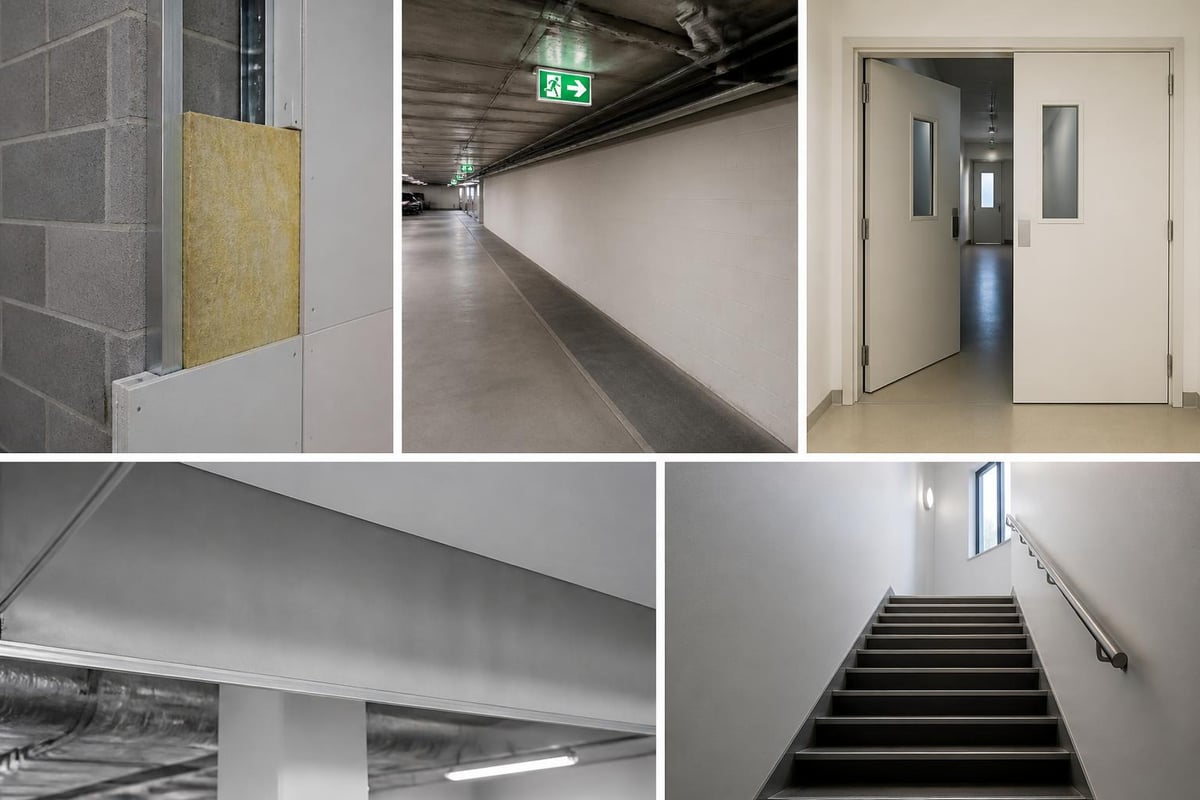
Fire compartmentation relies on fire-resistant barriers that contain flames and smoke within defined zones, limiting spread throughout buildings. Compromised fire doors, penetrated fire walls, and unsealed service penetrations defeat this protection strategy. Many organisations discover these vulnerabilities only during formal fire risk assessments, which systematically evaluate premises against current safety standards.
Suspended ceilings and raised floors create concealed voids where fire can spread undetected, bypassing visible compartmentation measures. These spaces require careful consideration during construction and renovation projects to ensure continuity of fire resistance.
Materials and Interior Finishes
Wall coverings, ceiling tiles, and floor finishes contribute to overall fire loading within buildings. Materials with high flame spread ratings accelerate fire development, whilst those producing toxic smoke during combustion increase life safety risks for occupants.
Furnishings represent significant fuel loads, particularly in areas with high-density seating or storage. Upholstered furniture manufactured before current fire resistance standards may ignite readily and burn intensely, generating conditions rapidly untenable for human survival.
Environmental and External Fire Risks
External factors beyond direct organisational control can elevate fire risks significantly, requiring adaptive risk management strategies that account for changing conditions.
Climate and Weather Influences
Extended dry periods reduce moisture content in building materials and surrounding vegetation, creating conditions conducive to rapid fire spread. Climate change increases wildfire risks through prolonged drought periods and extreme weather events, particularly affecting properties in rural or semi-rural locations.
Electrical storms introduce lightning strike risks, whilst high winds can carry embers considerable distances, threatening buildings far from initial ignition points. Weather monitoring and seasonal preparedness protocols help organisations respond to elevated fire danger periods.
Extreme cold weather paradoxically increases fire risks through greater reliance on supplementary heating equipment and altered occupant behaviours. Space heaters, temporary heating installations, and improvised warming methods frequently feature in winter fire incidents.
Neighbouring Property Hazards
Multi-occupancy buildings and dense urban environments create exposure to fire risks originating from adjacent properties. Shared walls, common roof spaces, and connected service infrastructure provide pathways for fire spread between separately managed premises.
Industrial facilities storing hazardous materials or conducting hot work operations present elevated risks to surrounding properties. Understanding the activities and materials present in neighbouring buildings informs appropriate protective measures and emergency response planning.
Assessing and Quantifying Fire Risks
Systematic fire risk evaluation provides the foundation for effective safety management, enabling organisations to prioritise resources and interventions based on objective hazard analysis.
Risk Assessment Methodologies
Structured assessment processes examine ignition sources, fuel loads, and detection capabilities whilst evaluating potential consequences to people, property, and operations. Qualified assessors combine technical knowledge with practical experience to identify vulnerabilities that routine inspections might overlook.
Frequency of assessment depends on property type, occupancy patterns, and operational changes. Significant alterations to building layout, usage, or occupancy levels trigger reassessment requirements under current regulations. Data-driven analysis of building fire risks reveals patterns that inform more targeted evaluation strategies.
The assessment process generates actionable recommendations categorised by urgency and significance. Critical deficiencies demand immediate attention, whilst moderate risks may be managed through scheduled improvements aligned with maintenance cycles.
- Identify all potential ignition sources throughout premises
- Evaluate fuel loads and combustible material storage practices
- Assess detection, alarm, and suppression system adequacy
- Examine escape route capacity, signage, and emergency lighting
- Review procedural controls, training, and management systems
- Document findings with prioritised remedial action plans
Probability and Consequence Analysis
Fire risk quantification combines likelihood estimation with consequence severity to determine overall risk levels. High-probability, high-consequence scenarios receive priority attention, whilst low-probability, low-consequence risks may warrant monitoring rather than immediate intervention.
| Risk Level |
Probability |
Consequence |
Action Required |
| Critical |
High |
Severe |
Immediate remediation, temporary controls |
| Substantial |
Medium |
Moderate |
Planned remediation within specified timeframe |
| Moderate |
Low |
Minor |
Monitor, address during routine maintenance |
| Trivial |
Very Low |
Negligible |
Document, periodic review |
Consequence assessment extends beyond immediate life safety to encompass business continuity, regulatory compliance, and financial impact. Organisations with critical operations or irreplaceable assets weight these factors heavily in risk prioritisation decisions.
Managing and Mitigating Fire Risks
Effective fire risk management demands layered protection strategies combining prevention, detection, suppression, and evacuation capabilities.
Prevention and Control Measures
Eliminating ignition sources where practicable represents the most reliable fire prevention strategy. Hot work permits, designated smoking areas, and controlled access to heat-producing equipment reduce opportunities for accidental ignition.
Regular maintenance programmes address equipment deterioration before failures occur. Documented inspection schedules for electrical systems, heating equipment, and kitchen facilities create accountability and ensure consistent safety standards. Businesses can enhance their fire safety infrastructure through professional installation services that ensure detection systems meet current standards.
Housekeeping standards directly influence combustible loading and fire spread potential. Clear policies governing waste disposal, storage organisation, and workspace cleanliness prevent accumulation of materials that fuel rapid fire development.
- Implement permit systems for hot work activities
- Maintain clear minimum distances from heat sources
- Establish routine inspection schedules for all fire safety equipment
- Enforce strict housekeeping standards in all areas
- Control combustible material quantities and storage locations
Detection and Alarm Systems
Early fire detection systems provide critical time for evacuation and emergency response before conditions become immediately dangerous to life. Modern addressable systems pinpoint fire locations precisely, enabling faster response and reducing false alarm disruptions.
Detector selection must account for environmental conditions, with heat detectors preferred in kitchens where smoke detectors would generate excessive false alarms. Beam detectors suit large open spaces, whilst aspirating systems provide extremely early warning in high-value areas.
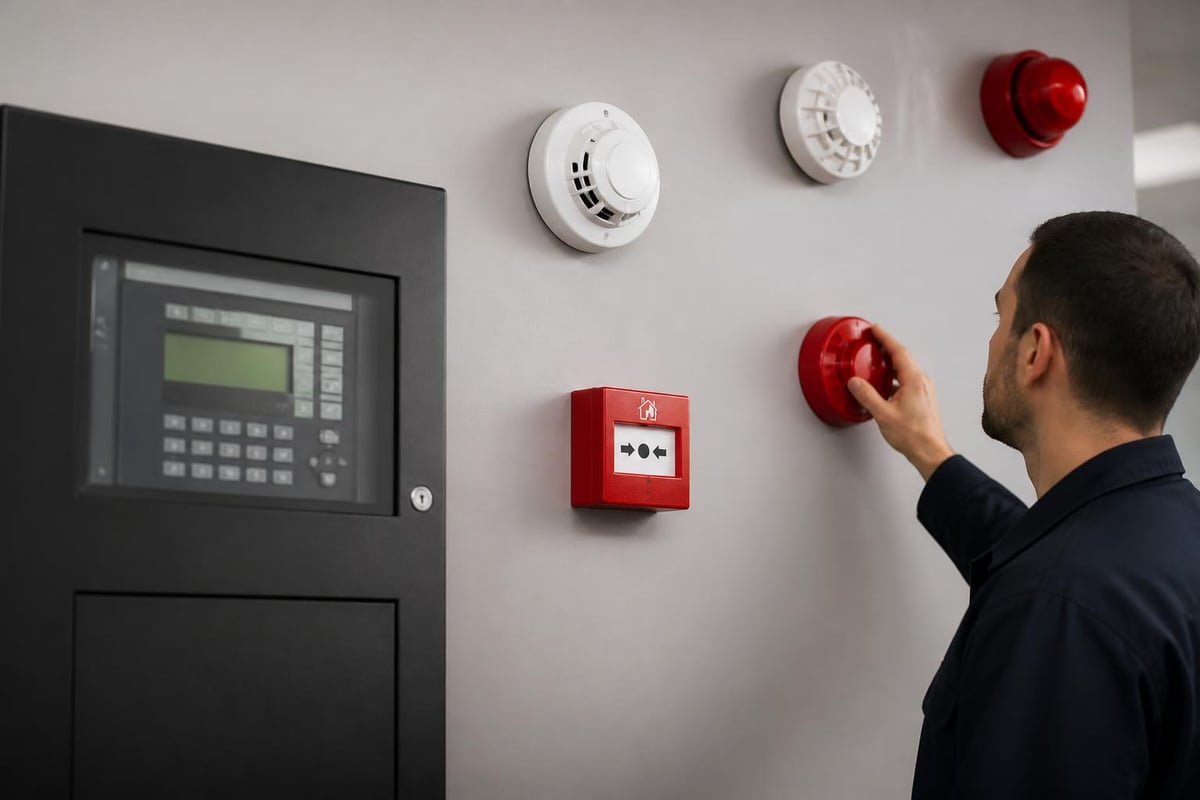
Regular testing and maintenance ensure detection systems remain fully operational when needed. Weekly alarm testing, periodic detector sensitivity checks, and annual system servicing by competent technicians maintain reliability throughout system lifecycles.
Industry-Specific Fire Risks
Different commercial sectors face distinctive fire risk profiles shaped by their operations, materials, and occupancy characteristics.
Manufacturing and Industrial Facilities
Production environments often combine multiple risk factors, including hot processes, flammable materials, and complex electrical systems. Metalworking operations generate sparks and hot debris, whilst chemical processing introduces reactivity hazards requiring specialised suppression systems.
Dust accumulation in manufacturing facilities creates explosion risks where fine particles suspended in air can ignite catastrophically. Regular cleaning of overhead surfaces, equipment housings, and ventilation systems controls dust concentrations below explosive thresholds.
Healthcare and Residential Care Settings
Hospitals and care homes present unique fire safety challenges due to occupant vulnerability and evacuation difficulties. Many residents cannot self-evacuate, requiring progressive horizontal evacuation strategies and robust compartmentation to create defendable spaces.
Medical oxygen supplies introduce fire risks through their role as powerful combustion supporters. Cylinder storage, distribution systems, and point-of-use controls require careful management to prevent oxygen-enriched atmospheres that dramatically accelerate fire development.
Retail and Hospitality Businesses
Customer-facing businesses balance fire safety requirements with operational demands and aesthetic considerations. High occupancy levels during peak trading periods stress evacuation capacity, whilst diverse customer populations include individuals unfamiliar with premises layouts.
Stock storage often represents substantial fuel loads concentrated in back-of-house areas. Seasonal variations in inventory levels alter fire risk profiles, with peak trading periods introducing maximum combustible loading when premises are most heavily occupied.
Regulatory Framework and Compliance Obligations
UK fire safety legislation establishes clear responsibilities for building owners, employers, and designated competent persons managing fire risks.
The Regulatory Reform (Fire Safety) Order 2005
This comprehensive legislation requires responsible persons to conduct suitable and sufficient fire risk assessments, implement appropriate preventive and protective measures, and maintain effective management systems. Enforcement authorities possess powers to issue enforcement notices, prohibition orders, and criminal prosecutions for serious breaches.
The Order adopts a goal-based approach, specifying required outcomes rather than prescriptive measures. This flexibility enables risk-proportionate solutions whilst demanding demonstrable compliance with fundamental safety principles. Understanding current fire safety legislation helps organisations navigate their obligations effectively.
Documentation requirements ensure accountability and facilitate regulatory inspections. Risk assessment records, maintenance logs, staff training registers, and evacuation drill reports provide evidence of systematic safety management.
Building Regulations and Approved Document B
New construction and significant alterations must comply with Building Regulations Part B, which establishes standards for fire safety design features. Means of escape, fire resistance, compartmentation, and access for firefighting receive detailed specification ensuring buildings incorporate baseline protective measures.
Existing buildings may not meet current standards, particularly where constructed under previous regulatory regimes. Understanding applicable standards at construction date and subsequent amendment obligations prevents inappropriate upgrade demands whilst identifying genuine deficiencies requiring remediation.
Monitoring and Continuous Improvement
Fire safety management requires ongoing attention rather than one-time compliance exercises. Regular monitoring, periodic reviews, and lessons learned from incidents drive continuous improvement cycles.
Performance Indicators and Metrics
Tracking fire safety performance through measurable indicators highlights trends and identifies emerging issues before serious incidents occur. False alarm rates, maintenance completion percentages, training attendance, and inspection finding closure times provide objective management information.
Near-miss reporting encourages staff engagement with fire safety whilst capturing valuable learning opportunities. Investigating why smoke detectors activated without fire development, or what prevented ignition when combustibles contacted heat sources, reveals system strengths and vulnerabilities.
Post-incident analysis following actual fires generates critical insights applicable across entire organisations. Root cause analysis identifies contributing factors beyond immediate ignition sources, examining organisational culture, procedural adequacy, and systemic weaknesses that enabled incident escalation.
- Establish key performance indicators aligned with organisational risk profile
- Implement reporting systems capturing incidents, near-misses, and safety observations
- Conduct regular management reviews of fire safety performance data
- Share lessons learned across all sites and departments
- Adjust policies, procedures, and controls based on performance evidence
Training and Competency Development
Staff competency represents the most variable element in fire safety systems. Comprehensive induction training, role-specific instruction, and periodic refresher sessions maintain awareness and capability throughout workforces.
Fire warden training equips designated individuals with enhanced responsibilities during emergencies, including evacuation coordination, roll call procedures, and liaison with emergency services. These individuals form critical links between management systems and effective emergency response.
Practical evacuation drills test theoretical knowledge and reveal procedural weaknesses requiring correction. Realistic scenarios conducted without prior announcement provide the most valuable learning experiences, though balanced against disruption considerations for operational businesses.
Identifying and managing fire risks requires systematic approaches that address equipment, procedures, building features, and human factors in coordinated strategies. Organisations that integrate fire safety into operational decision-making rather than treating it as compliance burden achieve superior outcomes whilst maintaining legal adherence. Firesurv Group Ltd delivers comprehensive fire safety services throughout the United Kingdom, helping businesses understand their unique risk profiles and implement proportionate protective measures that safeguard people, property, and continuity.