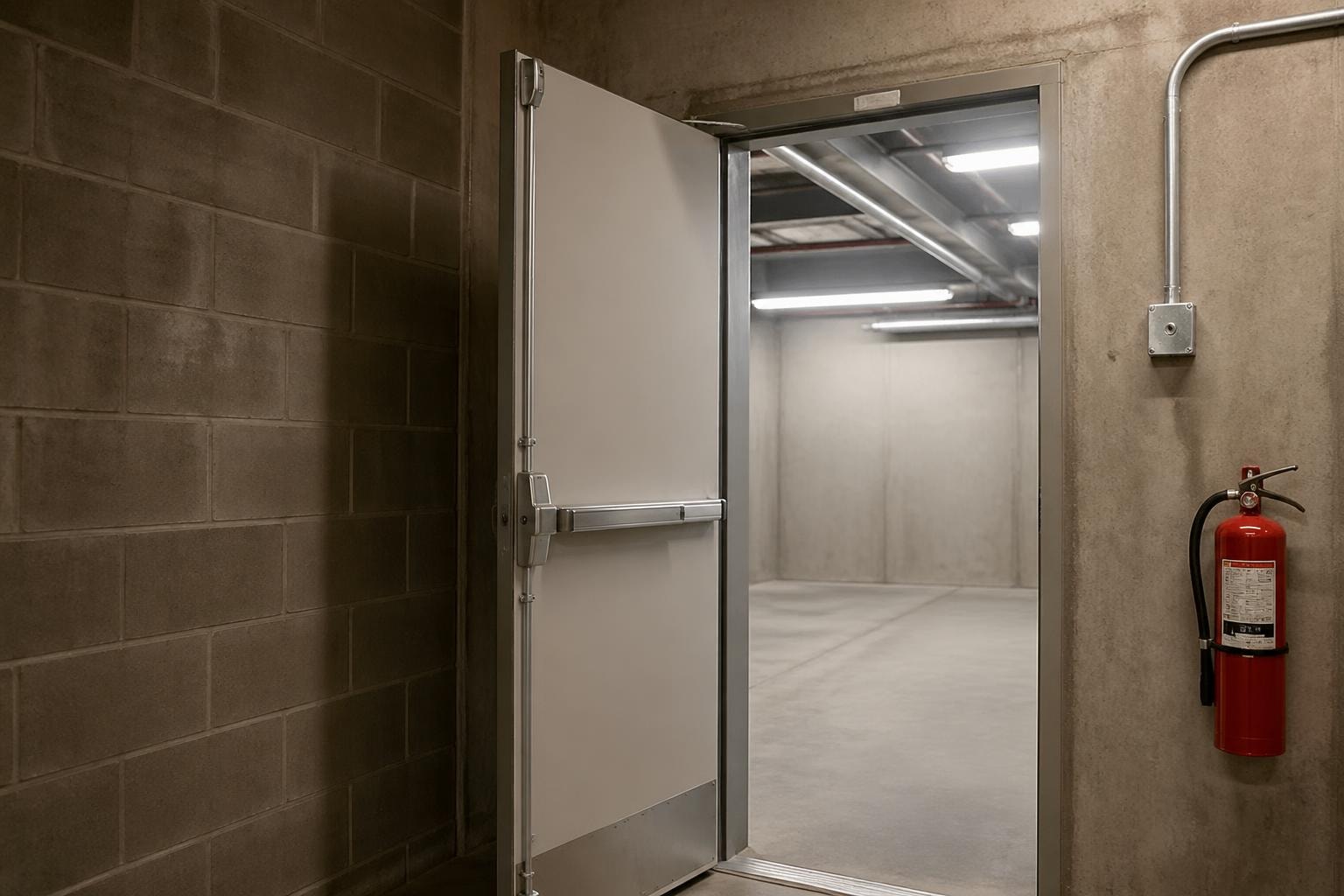
Passive fire safety represents the silent guardian in every building, working continuously to protect lives and property without requiring activation or human intervention. Unlike sprinklers or alarms that respond when fire occurs, passive systems are built into the very fabric of structures, creating barriers that contain flames and smoke within designated areas. Understanding these fundamental protection measures is essential for building owners, facilities managers, and anyone responsible for workplace safety across the United Kingdom. When properly designed and maintained, passive fire safety can mean the difference between a contained incident and a catastrophic loss.
Understanding Passive Fire Safety Fundamentals
Passive fire safety encompasses all the built-in protective elements that restrict fire spread, maintain structural integrity, and preserve safe escape routes. These systems require no external power source or manual activation, functioning through their inherent material properties and design characteristics.
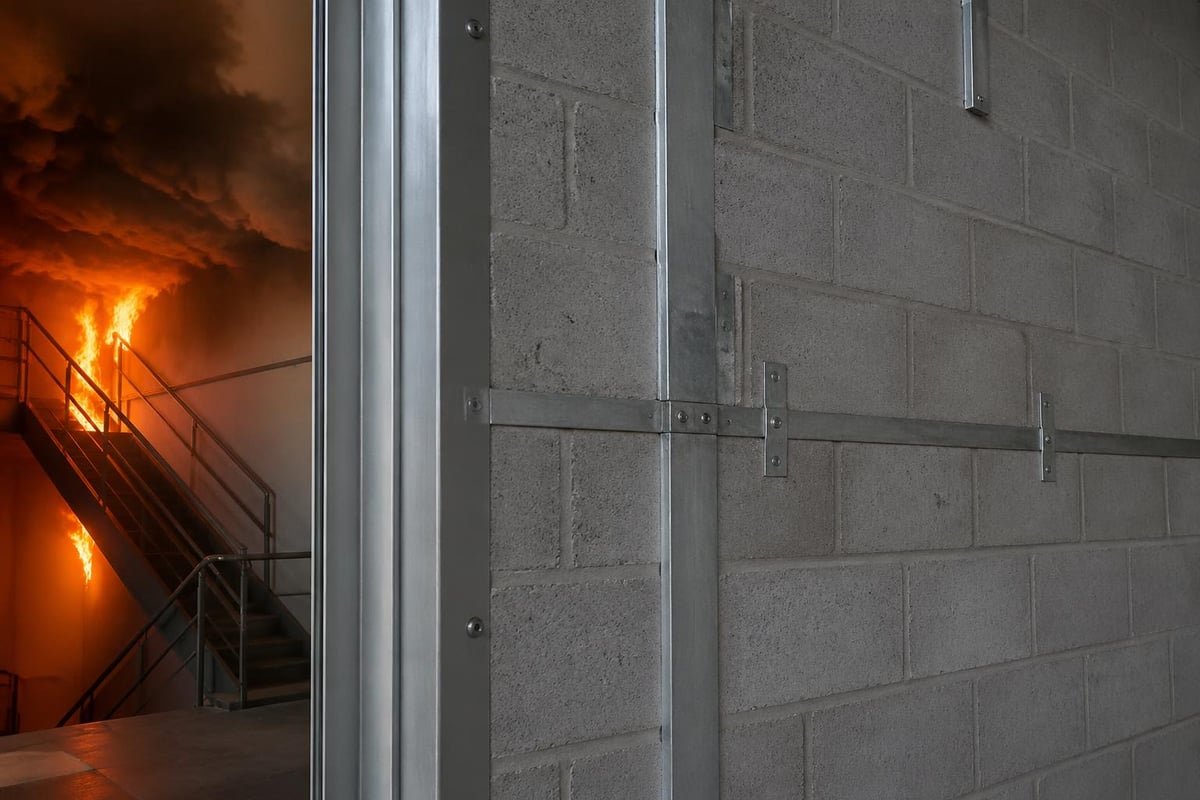
The core principle behind passive protection centres on compartmentation – dividing buildings into sections to prevent fire and smoke from moving beyond their origin point. This strategy buys precious time for occupants to evacuate and for emergency services to respond effectively.
The Four Pillars of Passive Protection
Effective passive fire safety relies on four interconnected elements working in harmony:
- Structural fire protection – fire-resistant materials applied to structural elements like steel beams and concrete columns
- Compartmentation – fire-rated walls and floors that divide buildings into separate fire compartments
- Opening protection – fire doors, dampers, and other closures that maintain compartment integrity
- Firestopping – materials sealing gaps around pipes, cables, and penetrations through fire-rated barriers
Each component plays a distinct role, yet their effectiveness depends entirely on proper installation and ongoing maintenance. According to research from NIST, passive systems form the foundation upon which all other fire safety strategies build.
Legal Requirements and Compliance Standards
The Regulatory Reform (Fire Safety) Order 2005 places clear duties on responsible persons to ensure adequate fire safety measures throughout their premises. Passive fire safety forms a critical element of these legal obligations, with specific requirements detailed in Approved Document B of the Building Regulations.
Building owners must ensure their passive systems meet current standards at the time of construction and maintain them appropriately thereafter. The tragic consequences of passive fire protection failures have led to increased scrutiny from regulatory bodies and enforcement authorities.
Key Compliance Considerations
| Requirement |
Description |
Inspection Frequency |
| Fire doors |
Maintain integrity, seals, closers, and signage |
Quarterly to annually |
| Fire stopping |
Ensure all penetrations properly sealed |
Annually or after any works |
| Compartment walls |
Verify no breaches or damage |
Annually |
| Structural protection |
Check coating integrity and coverage |
Annually |
Compliance extends beyond initial installation. The fundamental principles of passive fire protection require ongoing vigilance, as even minor breaches can compromise entire systems. Changes to buildings – from installing new cabling to minor refurbishments – often create vulnerabilities that must be identified and remediated promptly.
Critical Components and Their Functions
Understanding individual passive fire safety elements helps organisations maintain effective protection and identify potential weaknesses before they become critical failures.
Fire doors represent one of the most visible yet frequently compromised components. These specially constructed assemblies include the door leaf, frame, intumescent seals, smoke seals, closing devices, and appropriate hardware. Every element must function correctly for the door to achieve its fire rating.
Compartment Walls and Floors
Fire-rated walls and floors create the physical boundaries between compartments. Construction typically involves specific materials and techniques designed to resist fire for predetermined periods – commonly 30, 60, or 120 minutes.
The effectiveness of compartmentation depends on maintaining these barriers without breaches. Services running through buildings – electrical cables, plumbing, ventilation ducts – all require properly specified penetration seals. Firestopping materials and techniques must match the fire rating of the barrier they penetrate.
Intumescent materials play a vital role throughout passive systems. These chemically reactive substances expand when exposed to heat, sealing gaps and maintaining fire resistance. They appear in door seals, pipe collars, fire-rated boards, and various other applications.
Passive Versus Active Fire Protection
Many people confuse passive fire safety with active systems like sprinklers and alarm systems. While both are essential, they serve fundamentally different purposes and operate through contrasting mechanisms.
Active systems detect fire and either alert occupants or actively suppress flames through water, foam, or gas release. They require power sources, regular testing, and manual intervention or automatic triggering. The relationship between active and passive fire protection demonstrates how these approaches complement rather than replace each other.
Comparative Analysis
Passive systems:
- Built into structure permanently
- Require no activation
- Function through material properties
- Primary purpose: contain and delay spread
- Minimal ongoing operational costs
Active systems:
- Installed as separate equipment
- Require detection and activation
- Function through mechanical/electronic means
- Primary purpose: detect, alert, and suppress
- Regular maintenance and monitoring needed
The most effective fire safety strategies integrate both approaches. Passive systems provide the foundation, ensuring fires remain contained even if active systems fail or prove insufficient. This layered defence approach significantly improves overall building safety.
Common Failures and Vulnerabilities
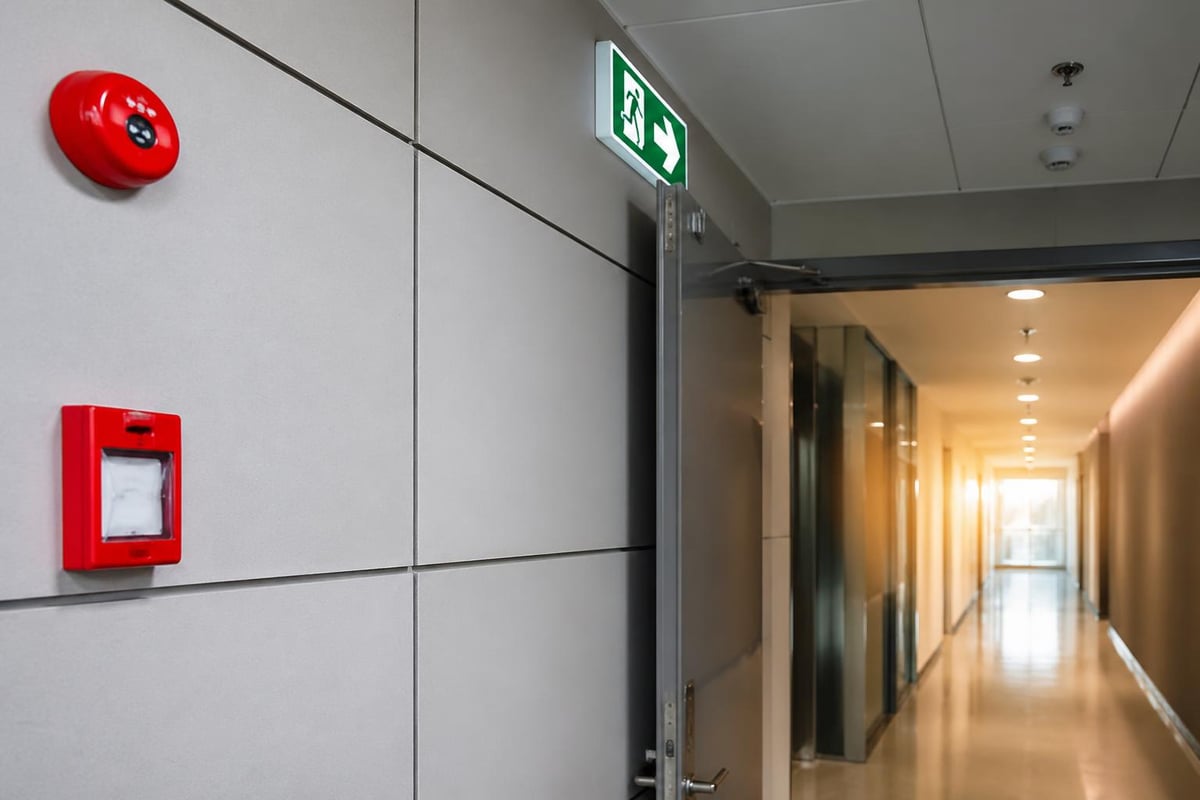
Despite the critical importance of passive fire safety, breaches occur with alarming frequency. Understanding common failure modes helps organisations prevent potentially catastrophic weaknesses.
Issues with passive fire protection installation often stem from inadequate specification, poor workmanship, or lack of inspection during construction. Once buildings enter operational use, different problems emerge.
Frequent Breach Scenarios
- Unauthorised alterations – contractors installing cables, pipes, or equipment without proper firestopping
- Door modifications – removal of closers, replacement with non-compliant hardware, or damaged seals
- Maintenance negligence – failing to repair damaged compartment walls or deteriorated fire-resistant coatings
- Material degradation – age-related breakdown of sealants, intumescent materials, or structural protection
Wedging fire doors open represents one of the most common yet dangerous practices. While inconvenient during normal operations, these barriers serve their purpose only when properly closed. Hold-open devices linked to fire alarm systems offer an acceptable solution when justified by operational needs.
The complexity of modern buildings creates additional challenges. Services penetrating multiple compartments, complex ceiling voids, and regular tenant fit-outs all introduce opportunities for passive protection breaches. Effective passive fire protection management requires systematic inspection, documentation, and remediation processes.
Inspection and Maintenance Protocols
Maintaining passive fire safety demands structured approaches to inspection and remediation. Unlike active systems with obvious indicators when faulty, passive protection failures often remain invisible until tested by actual fire.
Competent professionals should conduct regular surveys covering all passive elements. Fire door inspections form a crucial element of this regime, assessing not just door leaves but frames, seals, closers, and integration with surrounding construction.
Establishing Effective Inspection Regimes
Professional passive fire protection surveys should evaluate:
- Completeness and integrity of compartment boundaries
- Condition of all fire doors including frames, seals, and hardware
- Quality of firestopping around all service penetrations
- Structural fire protection coverage and condition
- Any alterations since previous inspection
- Compliance with relevant British Standards and Building Regulations
Findings must be categorised by severity, with critical defects requiring immediate attention. Lesser issues should be scheduled for remediation within defined timeframes. Documentation proves essential both for compliance demonstration and for tracking protection system integrity over time.
| Defect Severity |
Response Time |
Examples |
| Critical |
Immediate |
Missing fire door, large compartment breach |
| High |
Within 7 days |
Damaged intumescent seals, non-closing fire door |
| Medium |
Within 30 days |
Minor seal damage, incorrect signage |
| Low |
Within 90 days |
Cosmetic door damage, recommendation items |
Material Selection and Specifications
Choosing appropriate materials for passive fire safety applications requires understanding performance characteristics, certification requirements, and compatibility with building construction.
All fire protection products should carry third-party certification demonstrating tested performance to recognised standards. Simply claiming fire resistance proves insufficient – products must be independently verified and installed exactly as tested to achieve stated ratings.
Fire-Rated Material Categories
Intumescent products expand when heated, creating insulating barriers that maintain fire resistance at penetrations and gaps. These include seals, coatings, boards, and compounds used throughout passive systems.
Fire-resistant boards provide structural protection and compartmentation, manufactured from materials like calcium silicate, vermiculite, or mineral fibre. Different products suit specific applications based on structural requirements, moisture exposure, and required fire ratings.
Structural fire protection materials protect steel and other structural elements from heat damage that could cause collapse. Options include spray-applied materials, board systems, and intumescent paints, each with distinct advantages for particular applications.
Integrating passive fire safety into construction requires early planning and specification. Retrofitting adequate protection proves significantly more costly and disruptive than incorporating measures during initial construction or major refurbishments.
The Role of Professional Assessment
The process of comprehensive passive fire protection assessment: inspecting fire doors, testing compartmentation integrity, evaluating penetration seals, and documenting compliance status
Given the complexity and critical importance of passive fire safety, professional expertise proves invaluable for organisations seeking to maintain compliance and protect occupants effectively.
Specialist assessors bring detailed knowledge of regulations, standards, and best practices developed through extensive experience across diverse building types. They identify issues that untrained observers overlook and recommend proportionate, cost-effective solutions.
Professional passive fire protection services typically encompass inspection, specification, installation, and verification activities. Specialists work with building owners to develop maintenance programmes suited to specific premises and risk profiles.
Value of Expert Guidance
- Regulatory knowledge – ensuring compliance with current standards and anticipating forthcoming changes
- Technical expertise – specifying appropriate materials and installation methods for particular applications
- Impartial assessment – objective evaluation without commercial interest in specific products
- Documentation – comprehensive records supporting compliance demonstration
- Remediation oversight – ensuring repairs and upgrades meet required standards
Understanding how active and passive fire safety work together helps organisations develop comprehensive protection strategies. Professional advisors can integrate recommendations across all fire safety disciplines, creating cohesive approaches rather than fragmented measures.
Future Developments and Technology Integration
Passive fire safety continues to evolve through material innovations, improved standards, and technological integration. Modern approaches combine traditional principles with digital tools for enhanced management and compliance assurance.
Building Information Modelling (BIM) enables designers to visualise passive protection elements during planning, identifying potential issues before construction commences. Digital as-built records facilitate ongoing management, documenting protection element locations and specifications for maintenance teams.
Emerging Trends
Smart monitoring – sensors detecting door status, environmental conditions, or barrier integrity issues, providing early warning of problems
Performance-based design – engineering approaches that demonstrate adequate safety through modelling rather than solely prescriptive requirements
Sustainable materials – development of environmentally responsible fire protection products without compromising performance
Enhanced testing – more rigorous assessment methods ensuring products perform reliably under realistic fire conditions
The balance between passive and active fire protection will continue to evolve as building designs become more complex and performance requirements more demanding. Integration of systems through centralised monitoring platforms offers opportunities for improved oversight and faster response to protection system failures.
Research into fire behaviour and protection system performance continues informing regulatory development and industry best practices. Organisations committed to maintaining robust fire safety should stay informed about evolving standards and incorporate improvements into their protection strategies.
Training and Competency Requirements
Effective passive fire safety depends on competent individuals throughout the building lifecycle – from designers and installers to maintenance personnel and building managers. Each role requires specific knowledge and skills to discharge responsibilities effectively.
Installers must understand not just installation techniques but how their work affects overall fire protection strategy. A poorly installed fire door or inadequate firestopping can compromise extensive passive protection measures elsewhere in the building.
Building managers and responsible persons need sufficient understanding to recognise when passive protection may be compromised and when specialist assessment becomes necessary. This includes awareness of activities likely to affect fire barriers and processes for managing contractor work safely.
Building Competent Teams
- Design professionals – architects and fire engineers with current knowledge of passive protection requirements
- Installation specialists – tradespeople trained in specific passive fire protection techniques and products
- Inspection personnel – individuals qualified to assess passive protection condition and compliance
- Management staff – responsible persons understanding their legal duties and passive protection principles
- Contractors – all trades working in buildings aware of passive fire protection implications of their activities
Comprehensive fire safety training should address passive protection alongside evacuation procedures and active system operation. Staff awareness significantly reduces the risk of inadvertent passive protection breaches during routine operations.
Passive fire safety forms the essential foundation upon which all other fire protection measures build, demanding ongoing attention and professional oversight to maintain effectiveness. From compartmentation and fire doors to structural protection and firestopping, these silent guardians work continuously to contain fire spread and preserve safe escape routes. Whether you need comprehensive assessments, remediation works, or ongoing compliance support, Firesurv Group Ltd provides expert passive fire protection services across the United Kingdom, helping organisations protect their people, property, and legal compliance through properly maintained fire safety systems.